



What does a medical oncologist do?
A medical oncologist is a doctor who specialises in diagnosing and treating cancer using medicines such as chemotherapy, targeted therapy, immunotherapy and hormonal therapy. They also coordinate with surgeons, radiation oncologists and other specialists to plan your overall treatment and manage side‑effects.
When should I see a medical oncologist?
You should see a medical oncologist if you have a confirmed cancer diagnosis or your doctor suspects cancer and has advised specialist evaluation. Many patients are referred after a biopsy report shows cancer, or when they need to discuss chemotherapy or other systemic treatments.
What should I bring to my first appointment?
Bring all relevant medical records, including biopsy and pathology reports, imaging reports (CT/MRI/PET‑CT/ultrasound), recent blood tests, discharge summaries and a list of current medications. It also helps to write down your questions and, if possible, come with a family member or friend for support.
What questions can I ask during the first visit?
Many patients ask about their exact diagnosis and stage, whether the cancer has spread, available treatment options, treatment goals (cure or control) and expected side‑effects. It is appropriate to ask why a specific plan is recommended for you and whether a second opinion would be useful.
Will I need chemotherapy?
Whether you need chemotherapy depends on the type and stage of cancer, your overall health and other available options. For some cancers, chemotherapy is essential; for others, surgery, radiation, targeted therapy or active surveillance may be more appropriate.
How is chemotherapy given and how long does it take?
Chemotherapy can be given through a vein (IV drip), as an injection, or as tablets, depending on the drugs used. Treatment is usually given in cycles over weeks or months, with rest periods in between; individual sessions may last from minutes to several hours.
What side‑effects should I expect from chemotherapy?
Common side‑effects include tiredness, nausea, appetite changes, temporary hair loss, increased infection risk and changes in blood counts. Not everyone experiences all of these, and many side‑effects can be prevented or well controlled with modern medicines and supportive care.
How will my doctor help manage side‑effects?
Your oncology team will monitor blood tests and symptoms regularly, prescribe medicines for nausea, pain or infections, and adjust doses or schedules if needed. You will also be told which warning signs (such as fever, severe vomiting or bleeding) require immediate contact or an emergency visit.
Intensive Caring
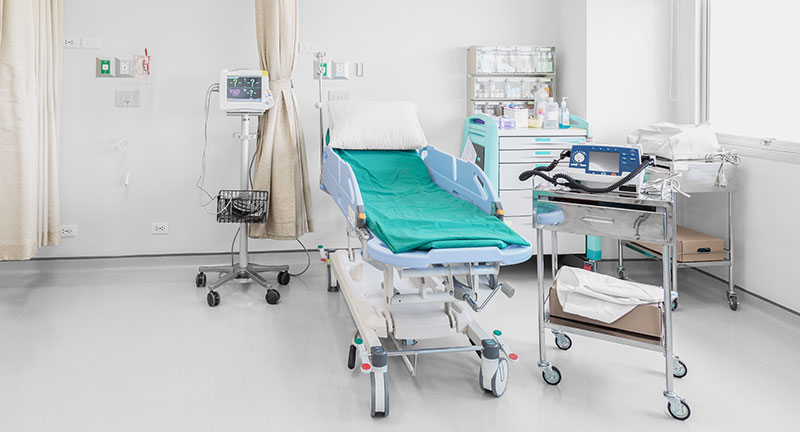
Cancer treatment is not just about medicines and machines – it is about listening carefully, understanding your worries and supporting your family at every step. During consultations and chemotherapy sessions, our team focuses on comfort, safety and clear communication so you always know what is happening and why.
Best of Care
Treatment plans are based on up‑to‑date national and international guidelines and are discussed in a multidisciplinary setting whenever needed. By combining strong clinical evidence with a patient‑centred approach, we aim to offer the best possible balance of effectiveness, side‑effect control and quality of life.